『武の道の極意は道の一里塚 道は涯なき宇宙への道』
和道流・流祖 大塚博紀 初代宗家
「無限の空であるから全てを抱擁して和となすことができる。武技は千変万化無限で宇宙の真理に通ずるのである。武技の形は無限に入る基礎である。そして形から入って形に止ることなく、形から抜け出た自由自在な形の無限の連続が武技なのである。即ち和の技である。和の表現された形の錬磨によって根本の和の道を発め和の道を求め和の精神を修養するのが試技鍛錬の目的である。和の技でなければそれは武技とは云えない。それのみではない。自然の理道に抗して却って和を損うに至る。武技は決して荒事ではなく天地人の理道に和した無理のない大自然の表現された和の形である。」
競技を主な目的とせず純粋に和道流を学びたくて道場に通う中学生や高校生、大学生や大人がいます。彼らにとって道場での時間が意義あるものであって欲しいと願っています。昨日は皆で基本組手9本目の足運びを研究しました。
There are junior high school students, high school students, university students, and adults who attend the dojo purely to learn Wado-ryu, not for the primary purpose of competition. I hope that their time at the dojo will be meaningful for them. Yesterday, we all studied the stepwork of 9honme of Kihonkumite.
思考は柔らかく意志は固く 無駄な力は抜いて気を抜かず 模擬刀であっても真剣に稽古する 真面目に取り組む時間を共に楽しむ
I won’t let my guard down, but I want to let go of unnecessary energy.
I practice seriously even if it’s a mock sword. And I enjoy spending some serious time with my students ♪
I hope you all have a wonderful weekend ♪
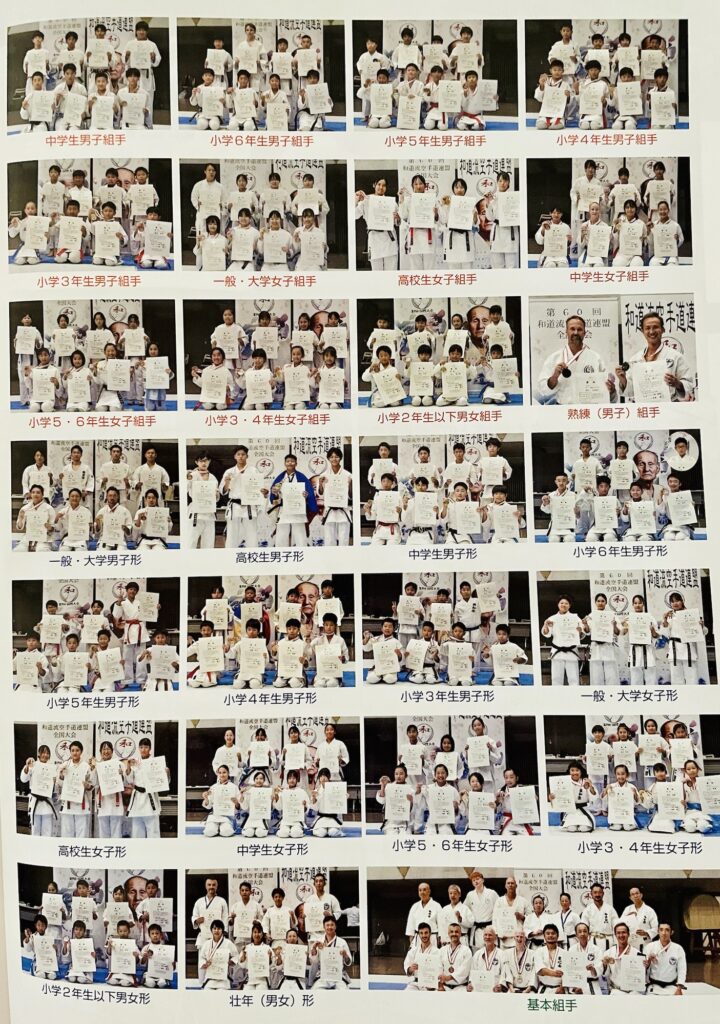
国籍も老若男女も関係なく、理の道を共に歩めば我々は皆、天と地と人と調和出来ると信じています
「練りと腹圧の共通点は何かな?」
挙手したのは8歳児や9歳児たち。彼らは答えました。
「自分の姿勢が良くなる!」
私は続けて質問しました。
「練りと腹圧には違いがあるの?」
彼らは目を輝かせて笑顔で挙手し答えました。
「練りは、身体の上と下が逆方向に回転してる。雑巾を絞ったような状態。その絞りがもとに戻ろうとすると速い回転が生まれる♪」
幼い子供たちが次々発言する光景を見学していた保護者たちは私と一緒に驚いていました。
国籍も老若男女も関係ないのです。理の道を共に歩めば我々は皆、天と地と人と調和出来るに違いありません。
On Saturdays, dojo practice starts at 9:25am. Although the students are still sleepy, they gather on time. This morning, there was a moment when I felt the students’ growth. During the kata practice, I asked the students,
“What do Neri and abdominal pressure have in common?”
The eight- and nine-year-olds raised their hands. They answered,
“It improves my posture!”
I continued to ask them,
“Is there a difference between Neri and abdominal pressure?”
They answered with shining eyes, smiling faces and raising their hands.
「In Neri, the upper and lower parts of the body rotate in opposite directions. It’s like wringing out a rag. When the wringing returns to its original position, a fast rotation is created ♪」
The parents, watching as their young children spoke one after another, were amazed and delighted with their children’s growth, just like me.
Nationality, age, gender, etc. are irrelevant. If we walk the path of reason together, we can all live in harmony with heaven, earth, and mankind.
“Ten, Chi, Jin no Ri Dou ni Wa suru”
「天地人の理道に和する」
私が生徒たちに正しく伝えるため、今まで以上に研究と稽古を重ねて行きたいという欲求を私自身も強く抱いています。
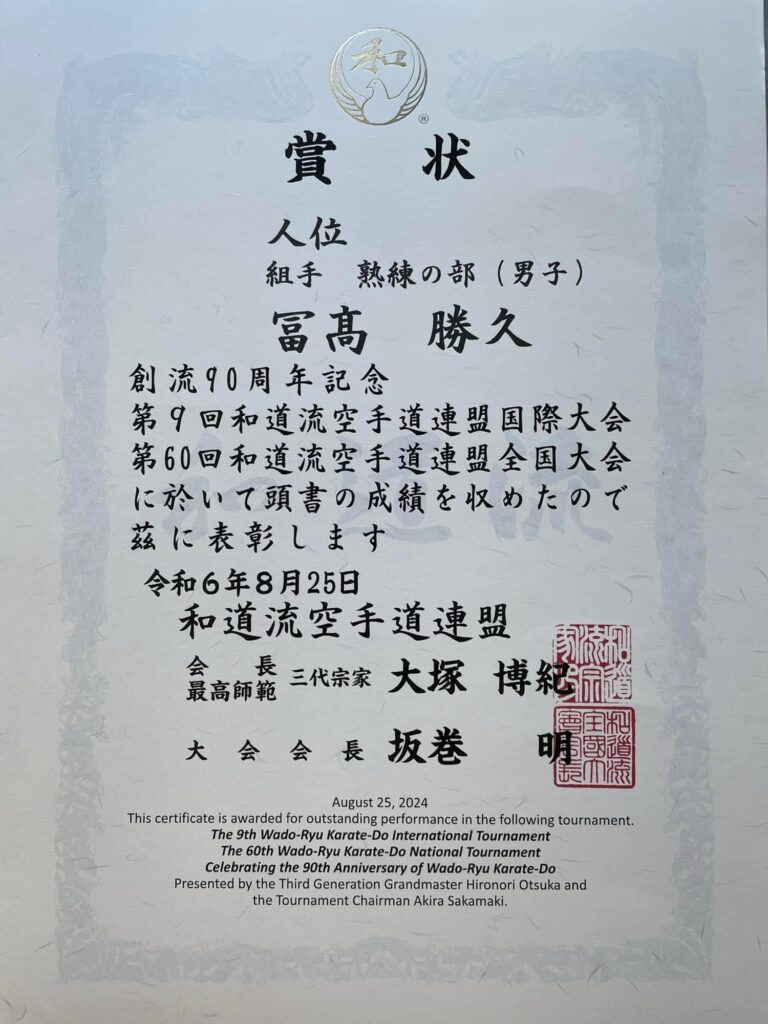
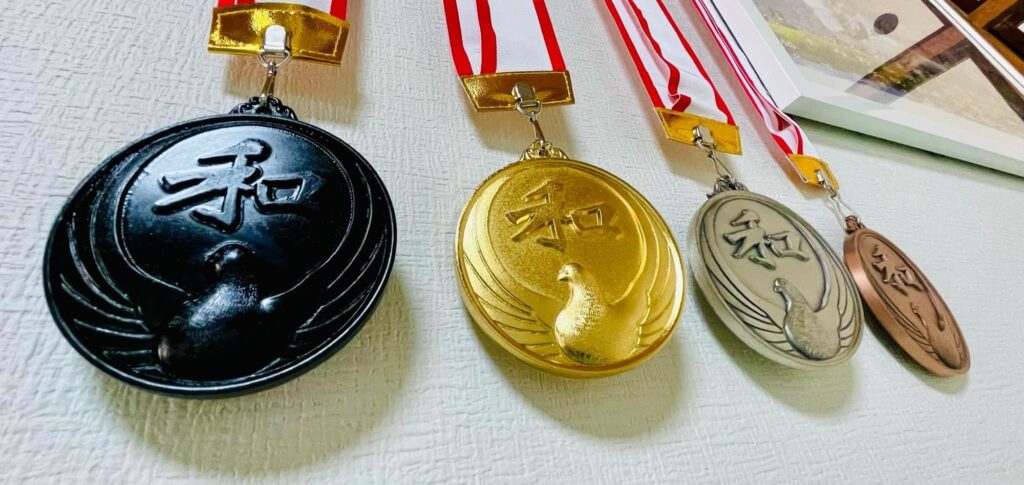
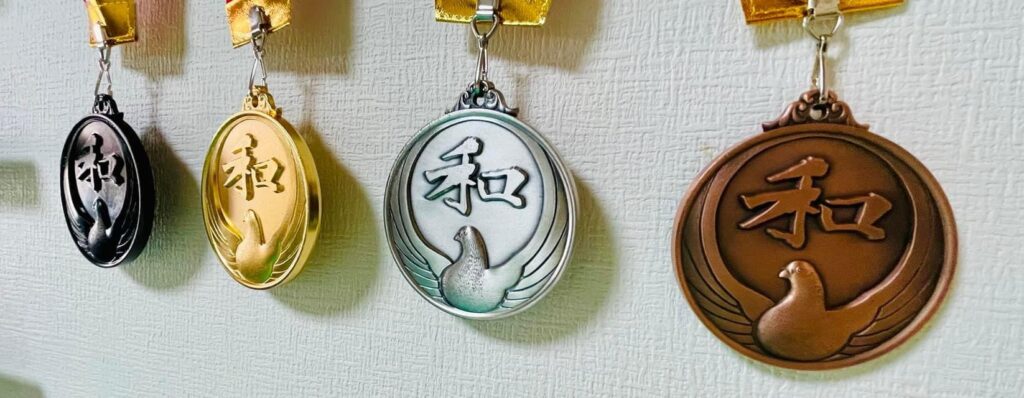
組手競技熟練の部において私は三代宗家 大塚博紀 最高師範より『人の位』と『黒メダル』を頂きましたが、これが終着点ではなく『地の位』そして『天の位』へと更なる高みを目指し私は精進致します。
和道流本来の組手には、束蹴り、足刀蹴り、裏打ち、鍵手突き、背手打ち、掌底打ちなど色々な技があり、これら和道流独自の技を失わずに遺して行けるように、三代宗家 大塚博紀 最高師範から正しく学び、道場に戻ったら生徒たちと研究を重ねて共有して行きたいです。そして、流祖が和道流の意義を託した漢詩「天地人の理道に和する」を胸に抱き、心の平安と人との調和を生んで行けるよう人間としての成長も重ねて参ります。
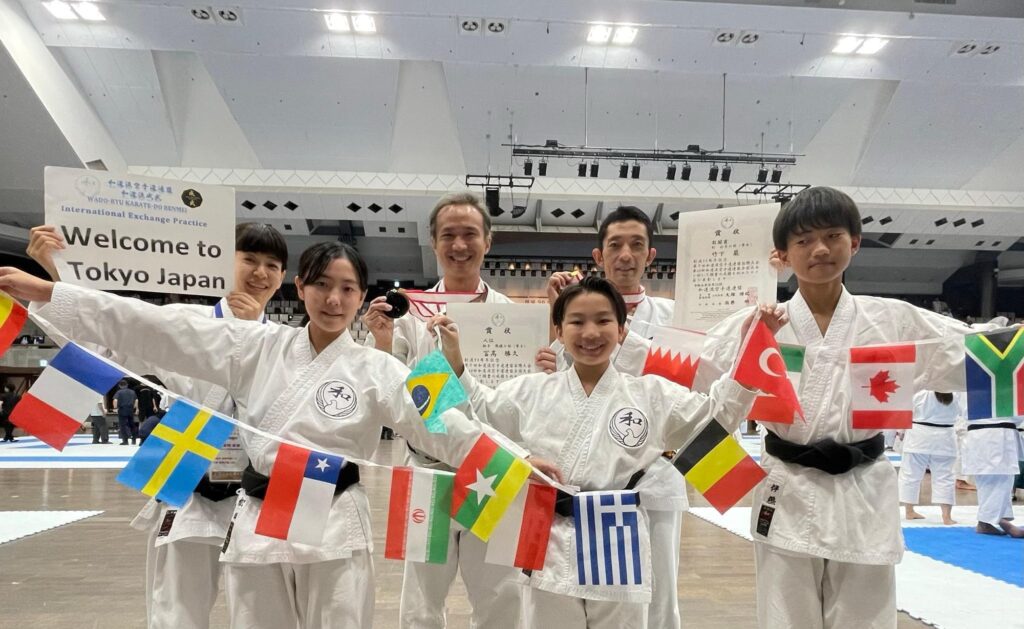
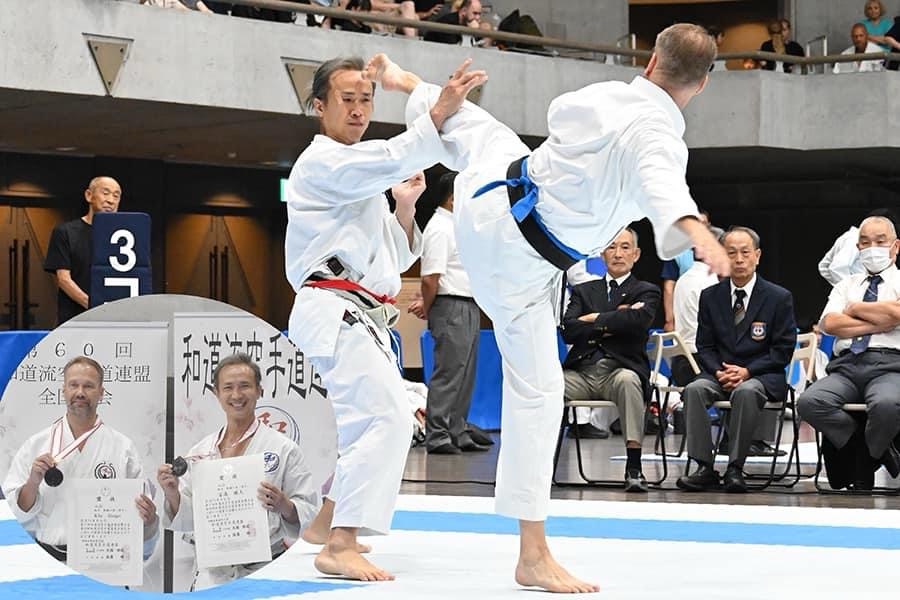
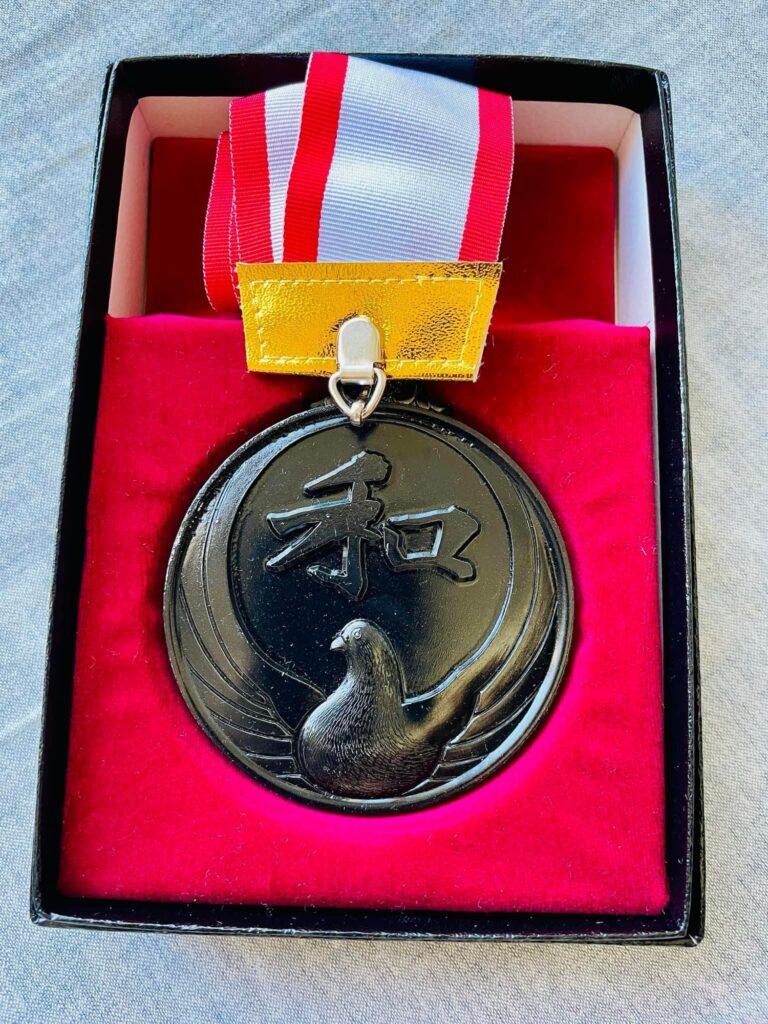
表裏一体 攻防一体 two sides of the same coin offense and defense as one
師匠と弟子、教師と父兄、親と子、夫と妻、老と若、男と女、攻と守、刃と鞘。
一見、対立したり別々に見えたりするものは、実は密接に関係しているのです。外側と内側は一つです。表舞台で活躍する方も、裏方の方も一体となって取り組んでいます。
教育成果の向上は、教師の指導と家族の協力が表裏一体となって実現出来ると思います。
I thought and felt about “two sides of the same coin” and “attack and defense as one” on Friday night’s practice.
Master and disciple, teacher and parents, parent and child, husband and wife, old and young, man and woman, offense and protection, blade and sheath.
Things that at first glance appear to be conflicting or separate are actually closely related. The outside and the inside are one. working together as one with those who are active in the public eye and those behind the scenes.
I think that Improving educational outcomes is possible when teacher guidance and family cooperation are two sides of the same coin.
腹筋と横隔膜の収縮で腹腔に圧力をかける
古から学び、現代で役立て、未来をより良く Learn from ancient times, apply it to modern times, and make the future better
稽古が好きなのは、古を考えると自分自身と深く向き合うことが出来るからです。
古から学び、それを現代で応用・活用し、未来をより良くしたいと願っています。
When translated into English, the Japanese word
KEIKO 稽古'' is expressed as practice,” but KEIKO 稽古'' means thinking about ancient times.”I like that KEIKO 稽古 because thinking about ancient times allows me to face myself deeply.
Learn from ancient times, apply it to modern times, and make the future better.
真剣に問う 応用出来るまで練る 武道精神を宿す心拳を目指す
「剣道と剣術は何が違うのですか?」
私が生徒に ”違いについて’’ を語るより、刀に触れることで刀が生徒に語ることを期待してみました。
太刀取り2本目と短刀取り1本目と基本組手3本目には互いに応用し合える技術があると考えました。そしてそれらを自由組手で用いました。
I received a question from a student who studied Kendo during his school days. “What is the difference between Kendo and Kenjutsu?”
Rather than me telling the students “about the differences,” I hoped that the students themselves would be able to touch the sword and have the sword speak to them.
I have considered that Sword Defense No. 2, Knife Defense No. 1, and Basic Kumite No. 3 have techniques that can be applied to each other. and used them in free kumite.
基本、形、基本、短刀取り、真剣白刃取り。全て繫がっていて、それぞれが互いに応用し合える技や動作を含んでおり、更に新たな技を派生させる可能性を秘めていることに心が震える
を秘めていることに私は心を震わせる生き物です。
明日、第2回4団体交流競技会を開催します。異なる4つの道場が一堂に会し組手競技、相撲競技、形競技、綱引き競技を行います。出場する選手全員と私には信頼関係がありますが、選手同士は初めて顔を合わせる者がほとんどです。競技を通じて選手同士が美しい技と礼儀に心を震わせ、交流することで新たな人間関係を育むことを私は期待しています。
’’武の道は ただ荒事とな思ひそ 和の道究め 和を求む道’’
和道流流祖 大塚博紀 初代宗家の道歌を、明日生徒たちと一緒に声にするのが楽しみです。